

Imagine this: one teacher, juggling five different classes simultaneously. Sounds like a sitcom, right? But in parts of Kolhapur, it’s the reality. And honestly, it’s a situation that deserves a whole lot more attention than it’s getting. We’re talking about the future of countless students, and it all boils down to this: Is the system failing them?
Let’s be real. Education is the bedrock of any thriving society. It’s not just about textbooks and exams; it’s about shaping minds, fostering critical thinking, and empowering the next generation. So, when cracks appear in that foundation, like in Kolhapur’s schools, we need to understand why and what can be done. This isn’t just news; it’s a call to action.
The Stark Reality | One Teacher, Many Hurdles
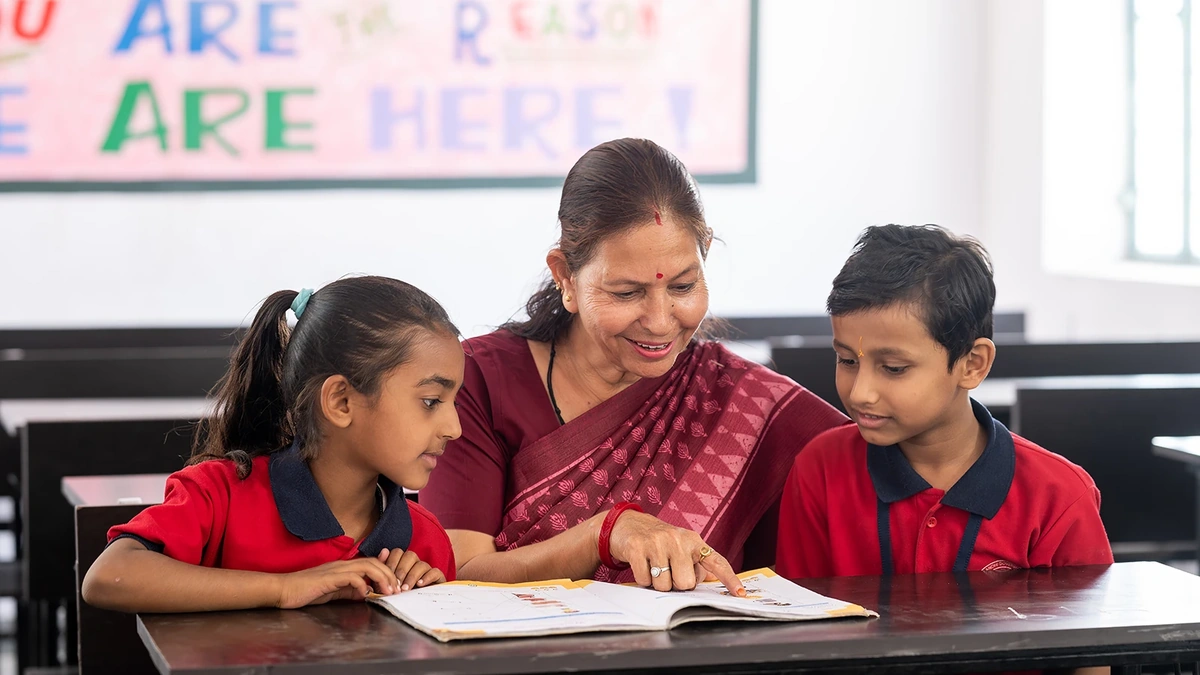
The core issue is simple, yet devastating: a severe shortage of teachers. In some Zilla Parishad schools in Kolhapur, a single teacher is responsible for managing multiple classes, often spanning different age groups and subjects. Think about the sheer logistical nightmare! How can one person effectively deliver quality education when they’re stretched so thin? It’s like asking a chef to cook five different cuisines at the same time – something’s bound to be undercooked.
And it’s not just about the quantity of teachers; it’s about the quality of rural education they can provide under such circumstances. A teacher spread across multiple classes can’t give individual attention to students who are struggling. They can’t tailor their teaching methods to suit different learning styles. The result? Students inevitably fall behind.
Why Is This Happening? Unpacking the Causes
So, why are we seeing this crisis unfold? There are several factors at play. Firstly, there’s the issue of teacher recruitment and retention in rural areas. Let’s be honest, many teachers prefer to work in urban schools, where there are better facilities and opportunities. Convincing them to take up positions in remote villages is a challenge.
Secondly, there’s the bureaucratic red tape. The process of recruiting new teachers can be slow and cumbersome. Vacancies often remain unfilled for months, sometimes even years. This leaves existing teachers to shoulder the extra burden, further exacerbating the problem. Also, the budget allocation for primary education often falls short, making it difficult to address the shortage of resources.
Thirdly, the lack of infrastructure in many rural schools contributes to the problem. Overcrowded classrooms, inadequate teaching materials, and poor facilities create a challenging learning environment for both teachers and students. This can lead to burnout among teachers and a decline in the quality of early childhood education .
The Ripple Effect | Consequences for Students and Society
The consequences of this crisis are far-reaching. For students, it means a compromised learning environment , reduced academic performance, and limited opportunities for growth. They may not receive the individual attention they need to thrive, potentially hindering their future prospects. According to various reports, learning outcomes in these schools are significantly lower compared to schools with adequate teacher-student ratios.
But the impact extends beyond the individual student. When a significant portion of the population lacks access to quality education, it can have a detrimental effect on society as a whole. It can lead to increased inequality, reduced economic productivity, and a slower pace of development. Think about it – an under-educated populace is less equipped to participate in the modern economy and contribute to nation-building.
Possible Solutions | A Multi-Pronged Approach
So, what can be done to address this crisis? The solution requires a multi-pronged approach that involves the government, the community, and the teachers themselves. Here’s the thing – there’s no magic bullet, but a combination of strategies can make a real difference.
Firstly, the government needs to streamline the teacher recruitment process and offer incentives for teachers to work in rural areas. This could include higher salaries, better housing, and opportunities for professional development. Secondly, investments in infrastructure are crucial. Rural schools need better classrooms, libraries, and teaching materials. Thirdly, community involvement is essential. Local communities can play a vital role in supporting schools and ensuring that students receive the resources they need. Consider initiatives like parent-teacher associations and community-based learning programs.
Moreover, technology can be leveraged to bridge the gap. Online learning platforms and digital resources can supplement traditional classroom teaching, providing students with access to quality educational resources regardless of their location. And, this isn’t just about providing laptops; it’s about training teachers to effectively integrate technology into their teaching practices.
Let’s be honest, another key point is teacher training. Providing ongoing professional development for teachers is essential to equip them with the skills and knowledge they need to meet the evolving needs of their students. This includes training in innovative teaching methods, classroom management techniques, and the use of technology in education. You can read more about the merger and its educational initiatives for additional information.
Beyond the Numbers | The Human Element
But, beyond the statistics and policy recommendations, it’s crucial to remember the human element. Behind every struggling student and overworked teacher, there’s a story. There are dreams and aspirations that are being stifled by a system that’s not working. What fascinates me is the resilience shown by these teachers and students. They are operating under immense pressure, yet they continue to strive for a better future.
These are dedicated individuals who are passionate about children’s education , but they’re operating with limited resources. To learn more about educational systems, read about higher education overhaul and how it can impact the future.
The Kolhapur school education crisis isn’t just a local issue; it’s a reflection of the challenges facing rural education across India. It’s a reminder that we need to prioritize education and invest in the future of our children. It’s time to move beyond lip service and take concrete action to address the systemic issues that are holding our students back. According tothe Right to Education Act, every child has the right to free and compulsory education, and it’s our collective responsibility to ensure that this right is upheld.
FAQ Section
Frequently Asked Questions
What are the main reasons for the teacher shortage in Kolhapur’s rural schools?
Teacher recruitment challenges, bureaucratic delays, and a preference for urban postings contribute to the shortage.
How does the lack of teachers affect students’ learning outcomes?
Reduced individual attention, compromised teaching quality, and limited learning resources negatively impact student performance.
What steps can be taken to improve the situation in these schools?
Streamlining recruitment, incentivizing rural postings, investing in infrastructure, and leveraging technology are key steps.
How can communities help support the education system in Kolhapur?
Parent-teacher associations and community-based learning programs can provide additional support and resources.
Are there any government initiatives addressing this issue?
Various initiatives aim to improve rural education, but their effectiveness depends on implementation and resource allocation.
What role can technology play in bridging the education gap?
Online learning platforms and digital resources can supplement traditional teaching and provide access to quality education.
Ultimately, addressing the Kolhapur school education crisis requires a collective effort. It’s about recognizing the value of education and ensuring that every child, regardless of their location, has the opportunity to reach their full potential. The future of India depends on it.

Leave feedback about this